mute656
Member
- Feb 7, 2026
- 17
Hi everyone. I decided to share my experience in detail because online discussions often focus on doses and methods but rarely describe what actually happens and why things can go wrong. My case is a clear example.
About me:
20-year-old male, weight 90 kg, no tolerance to opioids.
What happened:
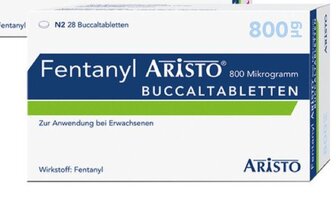
· Substance taken: Fentanyl, Aristo tablets, 800 mcg each.
· Amount: 8 tablets (total 6.4 mg). For reference: the lethal dose is considered to be around 2 mg for a person with no tolerance.
· Method of administration: I placed 4 tablets under my upper lip and 4 under my lower lip (sublingually). Time: around 1-2 AM.
What I felt (the last thing I remember):
The effect began within three minutes. It wasn't scary; it felt more like a rapid and complete "shutdown." Then — blackout.
What happened to me (based on my father's account, who found me):
He went to the bathroom around 4-5 AM and heard strange gurgling sounds from my room. When he forced the door open, he found me unconscious. His description: I was blueish-white, not breathing, and completely unresponsive. An empty tablet blister pack was nearby.
The most critical part — what happened next (the chain of rescue):
1. Immediate CPR. My father, following instructions from the emergency operator, started chest compressions. He said I wasn't breathing at all, but when he pressed on my chest, I sometimes made gurgling sounds.
2. Arrival of the first ambulance (~5 minutes later). They used a defibrillator (meaning my heart rhythm was already dangerously disturbed). They immediately administered an injection (most likely naloxone, the opioid antidote) and put an oxygen mask on me.
3. Arrival of a second, reinforced medical team (another 5 minutes later). They administered additional medication, placed me on a stretcher, and transported me to the intensive care unit.
4. In the hospital, doctors spoke of a critical condition and the potential for irreversible brain damage due to prolonged oxygen deprivation. However, by sheer chance, that was avoided. I regained consciousness in the hospital, diagnosed with pneumonia and unable to take a full breath. There were also some changes noted in my heart. I remained hospitalized for a month before being discharged. Fortunately, this episode left no apparent neur
ological consequences.
I hope this account is useful for those analyzing similar situations. Feel free to ask if you have any questions.
About me:
20-year-old male, weight 90 kg, no tolerance to opioids.
What happened:
· Substance taken: Fentanyl, Aristo tablets, 800 mcg each.
· Amount: 8 tablets (total 6.4 mg). For reference: the lethal dose is considered to be around 2 mg for a person with no tolerance.
· Method of administration: I placed 4 tablets under my upper lip and 4 under my lower lip (sublingually). Time: around 1-2 AM.
What I felt (the last thing I remember):
The effect began within three minutes. It wasn't scary; it felt more like a rapid and complete "shutdown." Then — blackout.
What happened to me (based on my father's account, who found me):
He went to the bathroom around 4-5 AM and heard strange gurgling sounds from my room. When he forced the door open, he found me unconscious. His description: I was blueish-white, not breathing, and completely unresponsive. An empty tablet blister pack was nearby.
The most critical part — what happened next (the chain of rescue):
1. Immediate CPR. My father, following instructions from the emergency operator, started chest compressions. He said I wasn't breathing at all, but when he pressed on my chest, I sometimes made gurgling sounds.
2. Arrival of the first ambulance (~5 minutes later). They used a defibrillator (meaning my heart rhythm was already dangerously disturbed). They immediately administered an injection (most likely naloxone, the opioid antidote) and put an oxygen mask on me.
3. Arrival of a second, reinforced medical team (another 5 minutes later). They administered additional medication, placed me on a stretcher, and transported me to the intensive care unit.
4. In the hospital, doctors spoke of a critical condition and the potential for irreversible brain damage due to prolonged oxygen deprivation. However, by sheer chance, that was avoided. I regained consciousness in the hospital, diagnosed with pneumonia and unable to take a full breath. There were also some changes noted in my heart. I remained hospitalized for a month before being discharged. Fortunately, this episode left no apparent neur
ological consequences.
I hope this account is useful for those analyzing similar situations. Feel free to ask if you have any questions.